• Home
  • MGM’s Photos
    • Fashion/Glamour
    • Nudes
    • Street
  • Shoutouts
  • Reviews
  • Interviews
  • Commentary
  • About
  • Contact

Michael Grace-Martin

~ Photography, Art & Life

Michael Grace-Martin

Category Archives: Commentary

Subtle Storytelling Photos vs High-Energy “Junk” Photos

23 Wednesday Nov 2011

Posted by mgm in All, Commentary

≈ Comments Off on Subtle Storytelling Photos vs High-Energy “Junk” Photos

Share

Here’s the thing…we (we photographers) are all trying to tell stories with photographs. And some “stories” can be told with one photograph, while other stories require a series of photographs.

Some photos look good and grab your attention but have little story value. An attention-getting photograph without story value is like eating sugar: it gives you an initial “high” that high wears off quickly. Your blood sugar level then plunges below it’s original level (due to your body’s natural insulin off-setting the blood-sugar spike), leaving the eater with the felt need for another “hit” of (eye) candy to elevate their blood-sugar level again.

More subtle photographs with story-telling ability are like eating natural, unprocessed foods. They elevate your energy level and perception for extended periods of time without then suddenly dropping you down into a state of low energy and dulled perception.


Visit Michael's Art Photography Portfolio at SaatchiArt.com!

How to Take Truly Candid Photographs

18 Friday Nov 2011

Posted by mgm in All, Commentary

≈ Comments Off on How to Take Truly Candid Photographs

Tags

candid, photography

Share

The best way to get candid photographs is keep the camera down/away from your face until the split second before the “decisive moment”. People start altering their behavior (e.g., “stiffening” their expressions, turning away from you) as soon as they see you aiming that camera at them; so you have to be like a “gunslinger” and only reach for the camera to bring it up and aim it just before pushing the shutter button.

The other “trick” is to get a steady, in-focus image when only giving the camera a split-second to respond. The latter takes good equipment, knowledge of how to use that equipment, experience and well-honed technique.


Visit Michael's Art Photography Portfolio at SaatchiArt.com!

Wedding Photographer Dilemma

12 Wednesday Oct 2011

Posted by mgm in All, Commentary, Wedding

≈ Comments Off on Wedding Photographer Dilemma

Share

Becoming a (relatively) high-paid wedding photographer is a tricky thing. To charge high prices, you have to be a bit of a egotist to believe you’re worth the higher prices when there’s so much lower priced competition out there. However, once you’re at the wedding, you have to toss that egotism out the window because people are going to be asking you to do all sorts of things, to the point of practically ordering you around….and you’d better take it in good spirit or you won’t last long as a wedding photographer.

Ultimately, you need to fully embrace the *utility* nature of wedding photography, while marketing yourself as an “artiste”. Letting either of the personas come out in the opposite context is a recipe for disaster.


Visit Michael's Art Photography Portfolio at SaatchiArt.com!

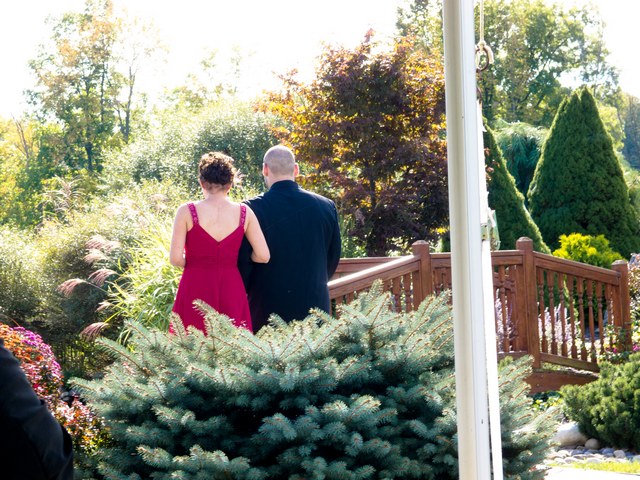
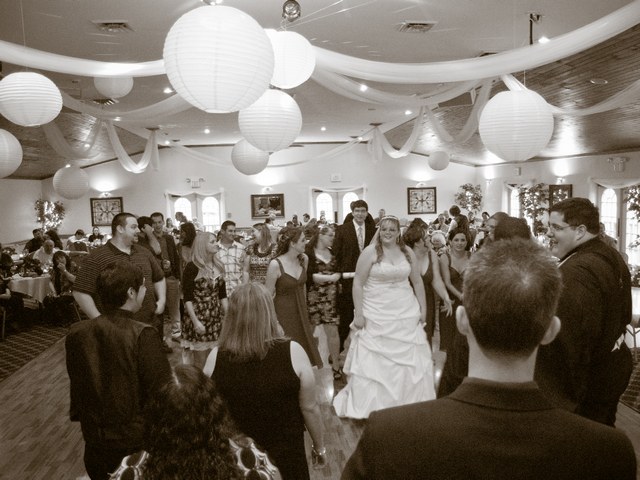
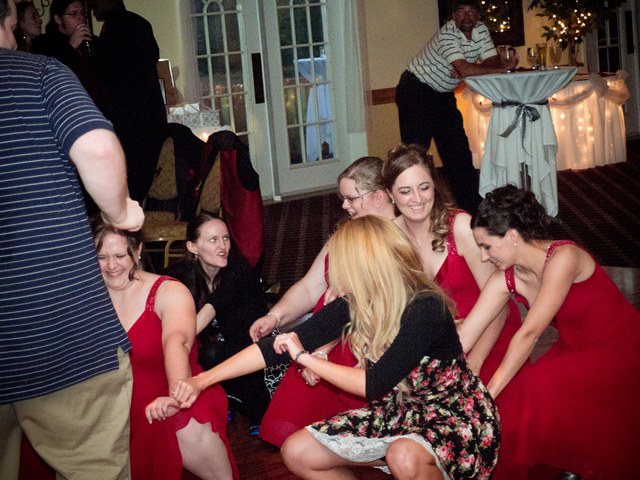
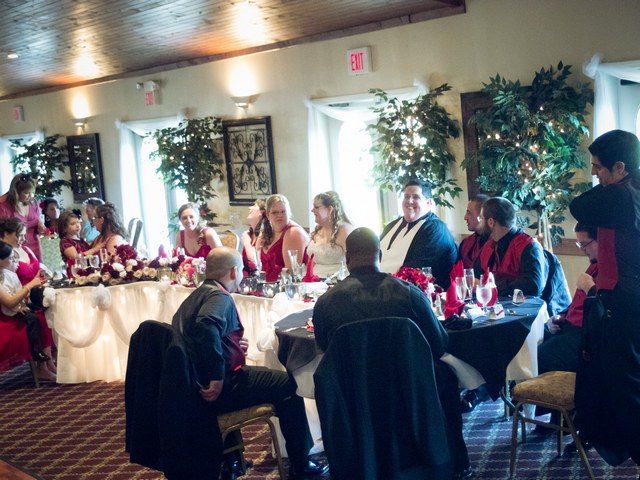
Point-and-Shoot Wedding: Photographing a Wedding with a Compact Digital Camera

29 Thursday Sep 2011

Posted by mgm in All, Commentary, MGM's Photos, Wedding

≈ 4 Comments

Tags

candid, event, photographer, photography, wedding

Share

I am a professional event photographer and I own thousands of dollars worth of professional digital camera equipment. I have photographed many events with my “high-end” photography equipment. When I’m not photographing events as a hired professional, I often use much smaller and less expensive cameras (both digital and film) to capture photos. I have been impressed with the quality of the images I been able to get with my smaller, less expensive cameras. The images don’t have quite the resolution or color depth of the files I get from my high-end, professional equipment, but in many cases I’ve found they’re pretty darn good…and often good enough for their usual uses–e.g., to display on web pages, make smallish prints (up to 8×10), or to make photo books.

As long as the subject matter isn’t fast-moving (e.g., sports) or ensconced within a large, dark interior space (e.g., big, dark reception halls at night), using a non-DSLR camera with a small sensor can perform reasonably well.

So, it’s always been a fantasy of mine to photograph a wedding with a compact, “point-and-shoot” digital camera and see what I could get.

You might ask, “Why would a professional photographer want to show that a wedding could be acceptably photographed with an inexpensive camera when part of what his/her clients are paying for is that expensive, high-end equipment that mere ‘mortals’ can’t afford?”. The high-end equipment provides something extra for your money, no doubt. I most certainly get shots with that pro equipment that I can’t get with a compact camera; I am not disputing this.

However, I think that a truly experienced and professionally skilled wedding photographer *should* be able to get good shots even with decent but much less expensive non-professional digital camera equipment–i.e., it should be more about the photographer’s eye and skills than about the equipment they’re using.

I suppose the purpose of this article is two-fold: 1) as a response to the hegemony of the camera companies–and the people who eat up their message–that you need (and need to keep buying) the latest and greatest camera equipment to produce good photos at events like weddings, and 2) to reiterate the message: “It’s the photographer that makes the great images, not the equipment”.

A good photographer who really knows his/her equipment knows how to get the camera to make great images. A photographer can have a great/expensive camera + lenses + accessories and still make lousy images. Successful photography is all about the photographer and how well s/he knows how to use her/his camera equipment. The message here is not original with me; but I find it helpful to prove things for myself.

So, on with my “story”…

I had been looking for a wedding I could photograph in which: a) the wedding couple wasn’t going to have a wedding photographer, so they’d be grateful for any wedding photos I could give them (assuming I didn’t charge them or charged them very little), or b) be a free “extra” photographer in combination with the paid lead photographer. In either case, if my point-and-shoot photos didn’t come out well, no huge loss would be incurred.

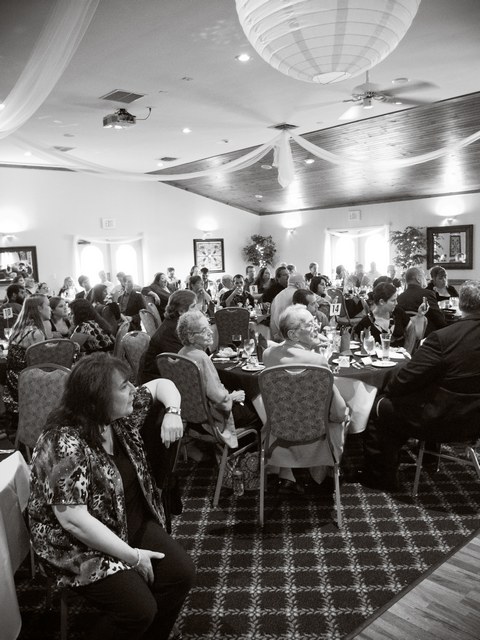
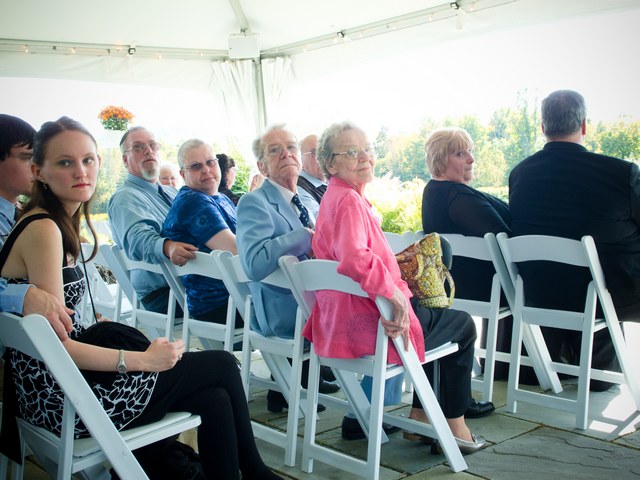
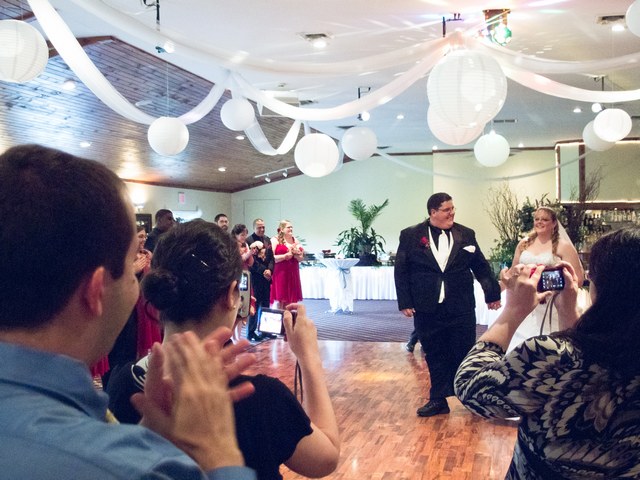
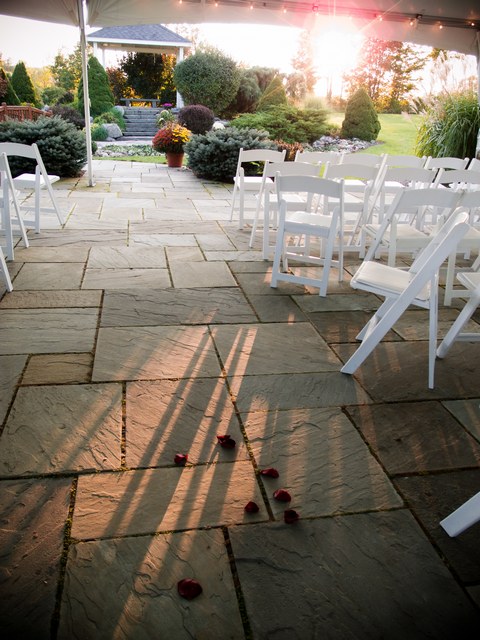
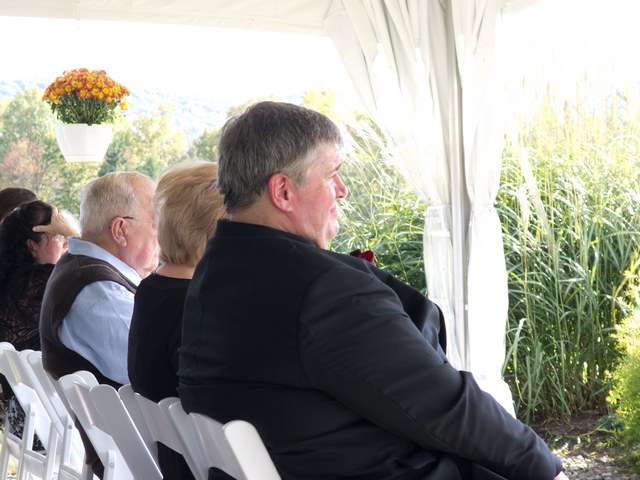
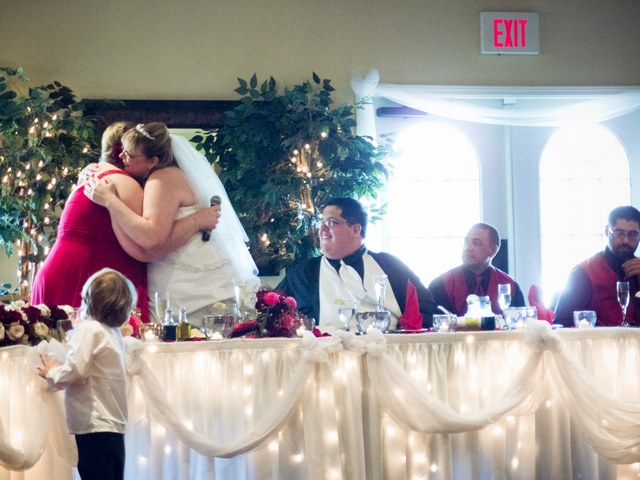
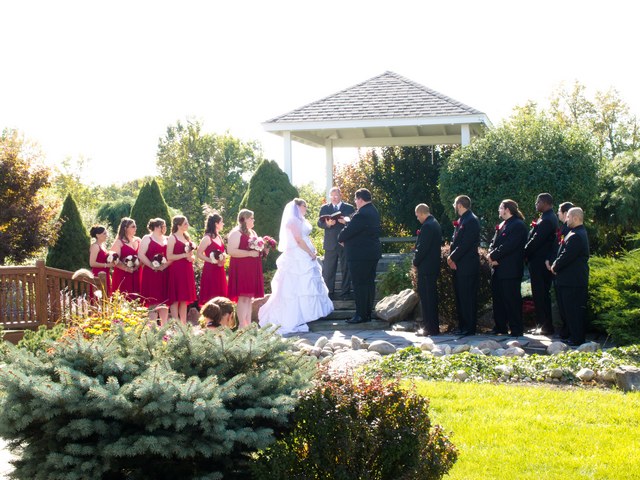
Well, I found a wedding with a paid lead photographer. There was also a second person (who owned the venue) taking photos with professional quality DSLR equipment. Then there was me with my compact camera with a built-in zoom lens…much like any wedding guest might have. In fact–with the permission of the wedding couple–I posed as just another wedding guest with a camera. So, really, this “experiment” had two facets: 1) taking photos with a compact digital camera like any guest might have, and 2) taking photos while not being in the obvious role of a paid professional photographer.

As it turned out, a number of factors were operating against me:

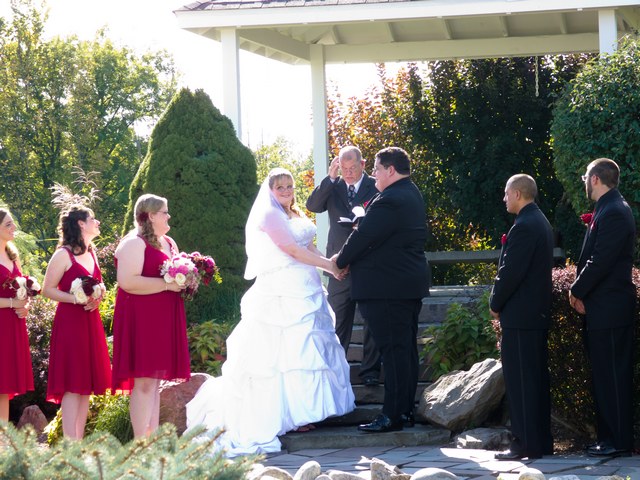
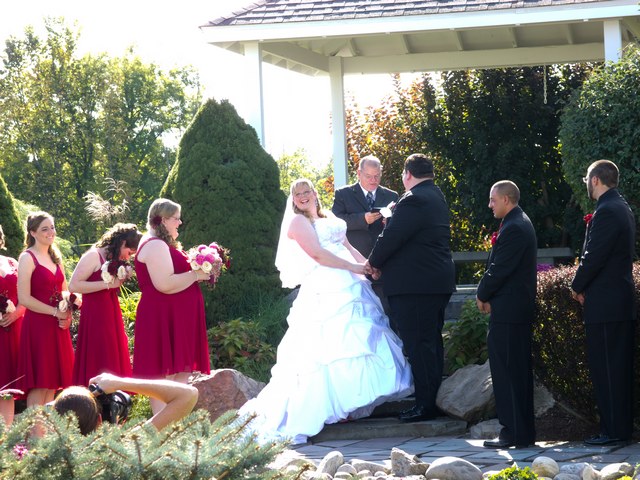
1) Even though wedding guests–especially ones with expensive DSLRs–will sometimes get out of their seats at ceremonies to take photos, I vowed to stay in my seat with the point-and-shoot guests because that’s more typical behavior for a guest with a camera and I was trying to be convincing in my “wedding guest” role. Also, with two other photographers roving around taking photos during the ceremony, I’m sure they didn’t need me getting in the way (this, of course, is my ideal notion of the thought process of wedding guests at weddings that *I’m* paid to photograph!…but I digress..). So, I took all my ceremony photos from an aisle seat.

2) Taking photos of people other than: the bride and groom, their parents, or the wedding party (who are always “fair game”) was somewhat awkward because, “Who the hell is this other guest–who I don’t know–taking a photo of me when I’m not in the wedding?!”. I tried to sneak in photos of other guests, but it was a little tricky.

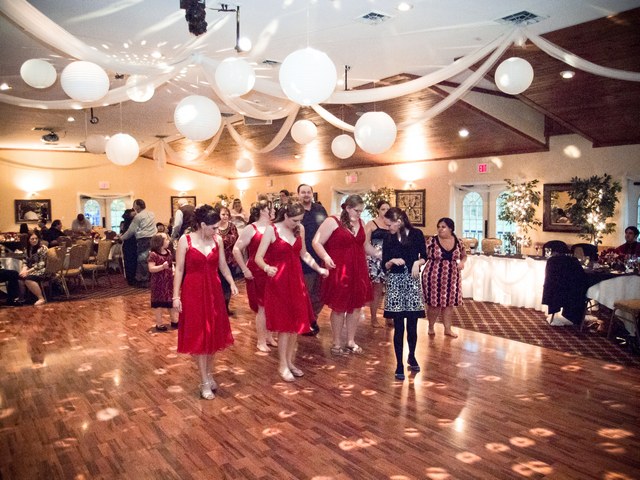
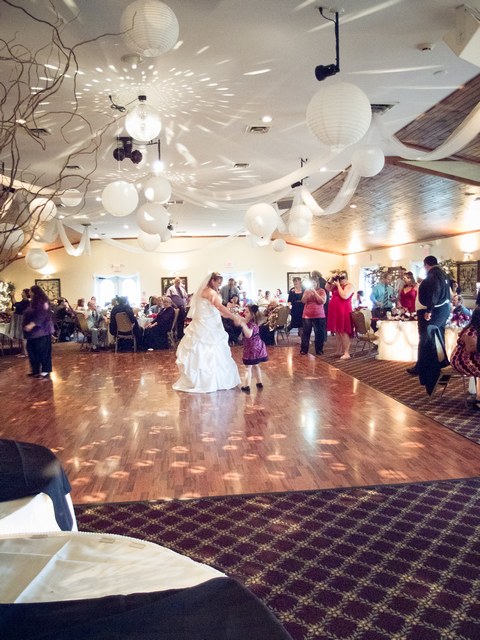
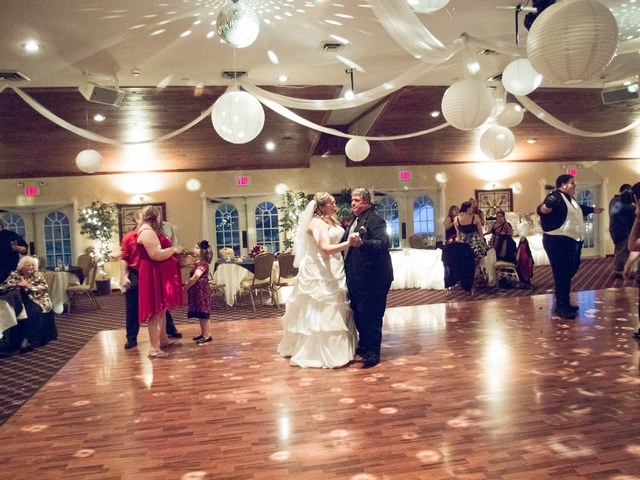
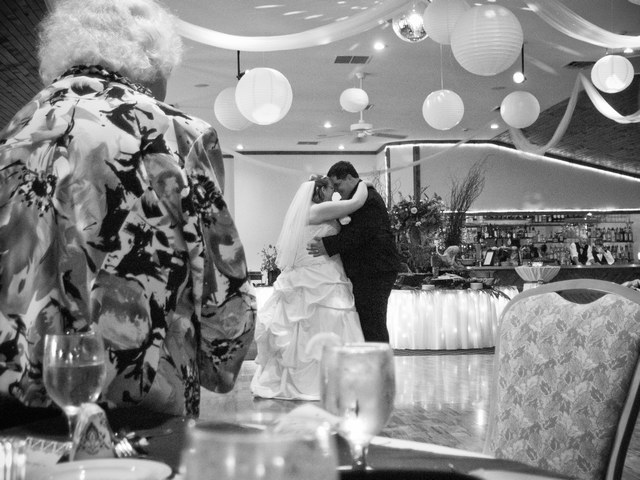
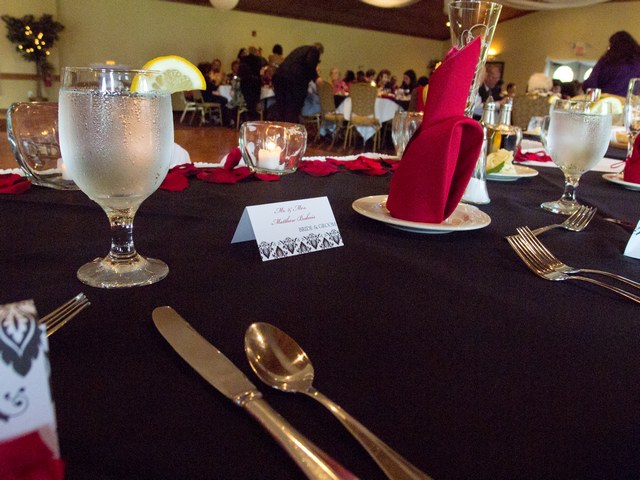
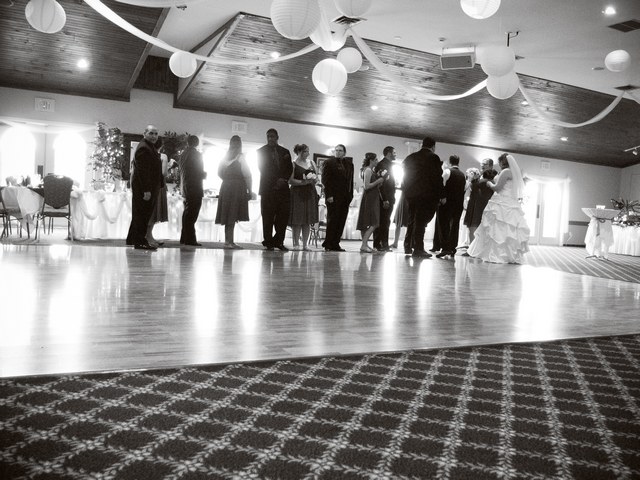
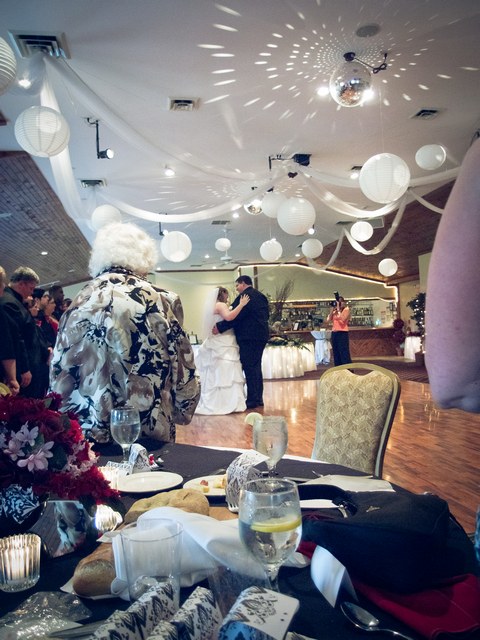
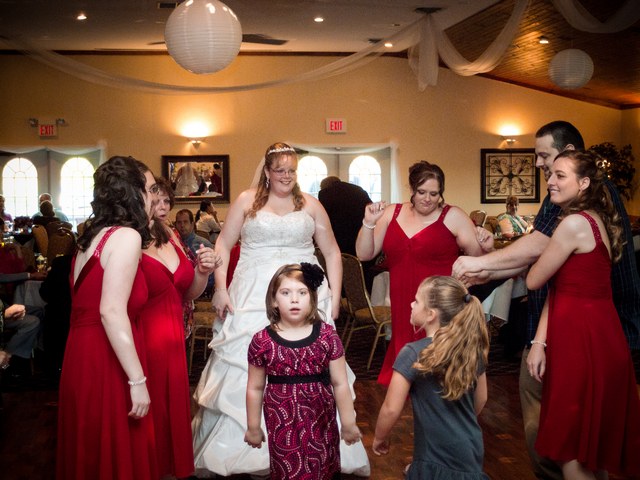
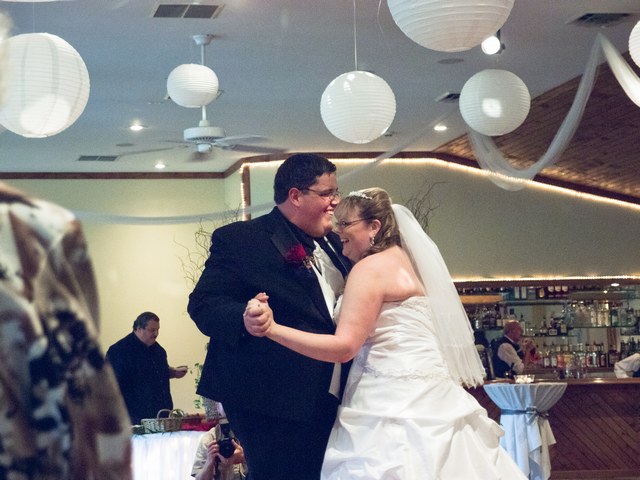
3) During the introductions and first dance, I stayed at my table with the other guests. Again, I was trying not to stand out too much as “Mr Photographer Guy”. So, instead of getting typical first dance photos, you get the perspective of a guest seated a couple tables away from the dance floor. I actually found this “guest” perspective of the dance interesting and fun.

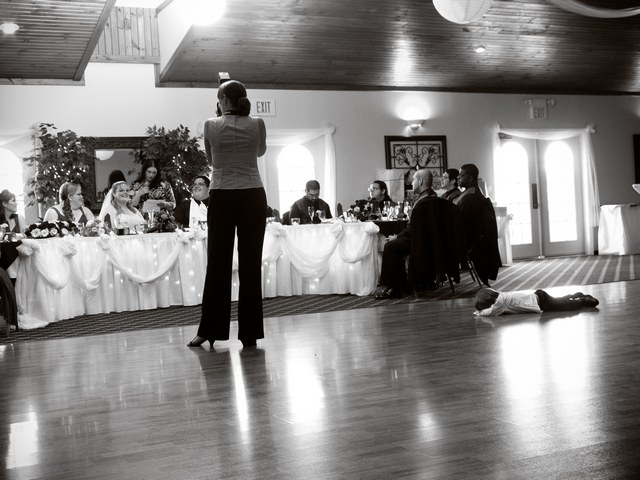
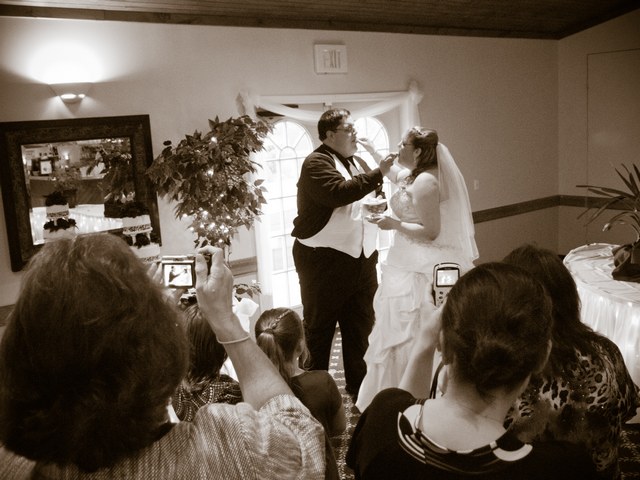
4) In trying to stay out of the way of the first and second photographers, I had to “hang back” a lot and also get alternate perspectives on things. So, during the toasts, I took in a wider perspective…sometimes with the other photographers in the shot. During the cake cutting, I was initially behind the wedding couple–because the other two photographers were in the front–taking shots of the crowd surrounding them (a perspective I don’t normally get as a lead photographer, though it’s a nice perspective to have!).

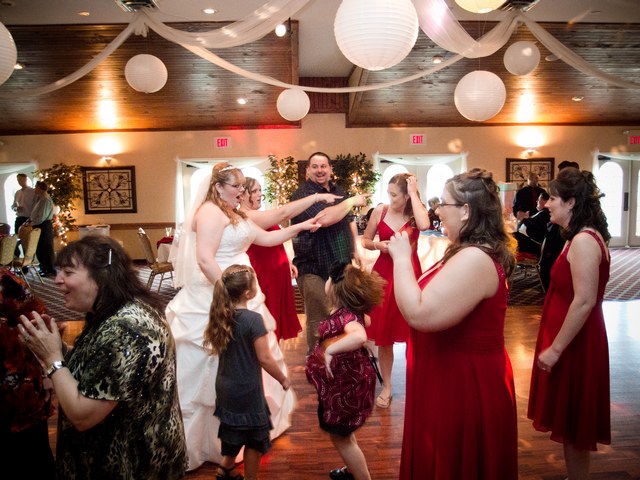
5) And finally, the small sensor on my camera was fine when we were outdoors, and even indoors before it started getting dark. But once it got darker, I was struggling with existing light shots (which I tend to prefer). At some point in the evening, I started using a hot shoe flash on my compact camera, aiming the flash toward the ceiling. When I was close enough to the subject, it worked reasonably well. It’s a pretty small flash, though, and I struggled to get anything farther than 10-15 feet away (something I can do with my big, expensive DSLR equipment). I still took *some* existing light shots so I could capture some of the ambient lighting; if you don’t mind a little digital noise, they’re not bad.

So, what do I conclude from this little “experiment”?

I was able to get many–though not all–of the images I wanted to get. I was talking to the lead photographer at the wedding (briefly, so as not to compromise my wedding guest “confederate” status) and mentioned that I felt I was getting something like 80% or so of the images I could get with my much more expensive professional camera equipment. Is that missing 15-20% crucial? Maybe, maybe not.

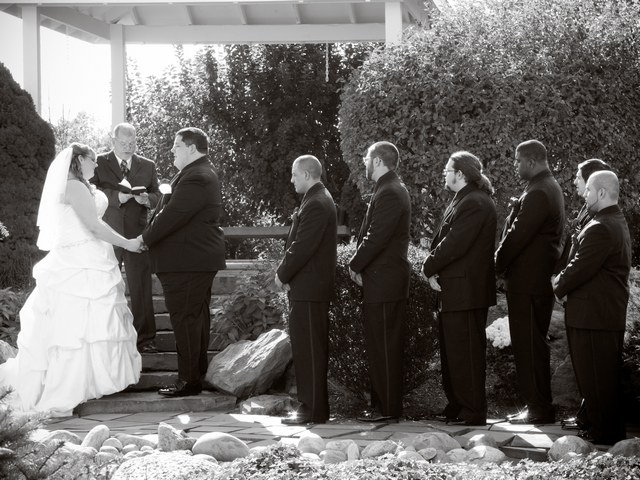
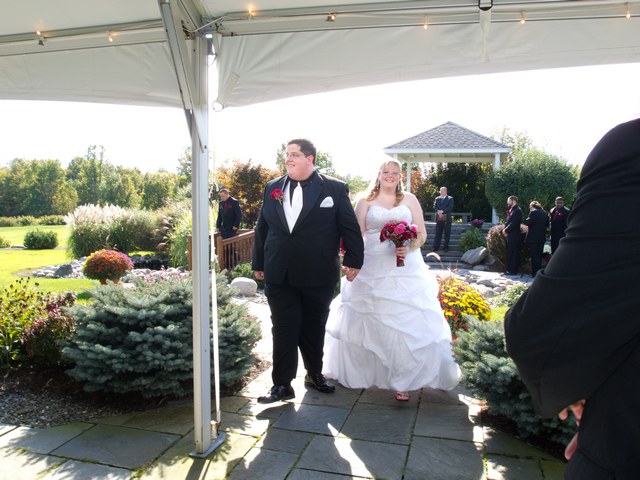
This was not a true “pure” test of the compact camera versus the professional DSLR. I was limited in various ways due to the presence of the other two photographers and my ruse of trying to appear as just another wedding guest (I even had a “story” of how I knew the wedding couple in case any of the other guests asked…:-). On the other side, it certainly helped to have a wedding during the day, outside under a tent where the light is pretty good. I would have struggled much more with a compact camera in a dark church.

I guess the main message for me is that it *is* possible to get nice wedding images with a compact camera–even in the role of a “guest”. The important thing is for the photographer to really know what s/he is doing–having lots of experience shooting weddings and/or other events helps a lot!–and for the photographer to really know the strengths and weaknesses of the camera they’re using.

Also, I would be remiss if I didn’t mention one other thing: knowing how to process images (in something like Adobe Lightroom or Photoshop) can make a *huge* difference in the final appearance of your images regardless of your camera equipment. What makes a wedding image look like a “wedding image”? A significant part of this “look” is the post-event image processing.

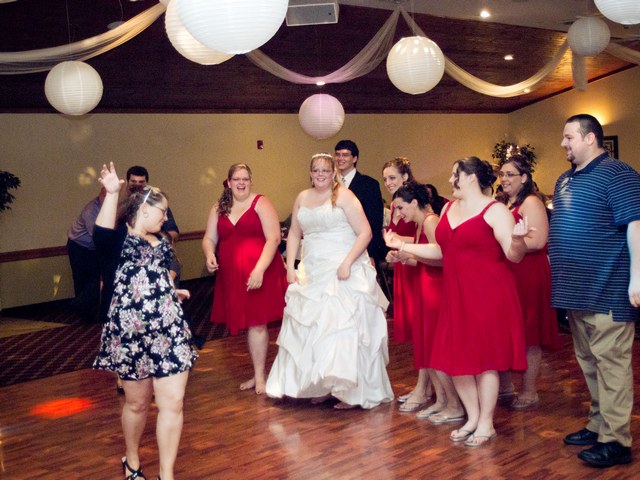
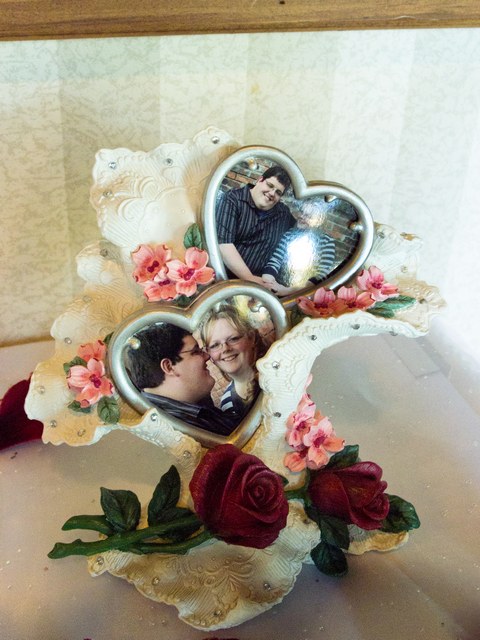
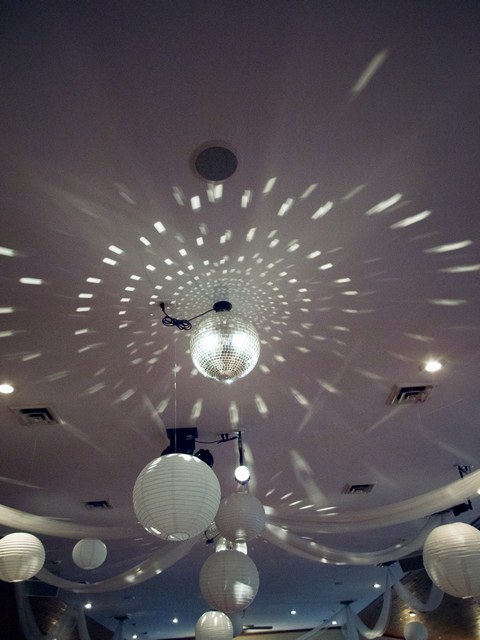
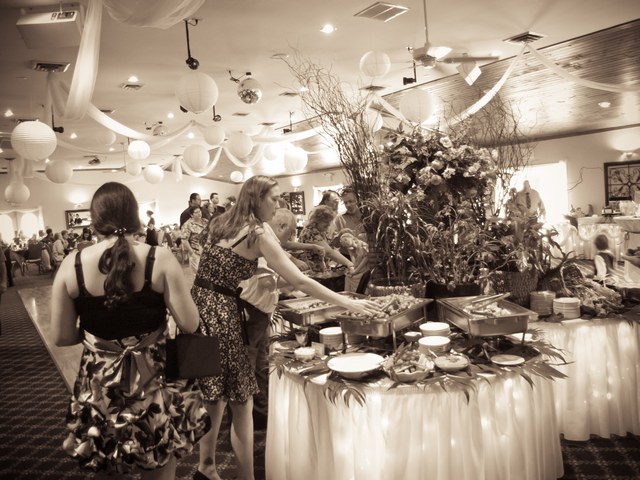
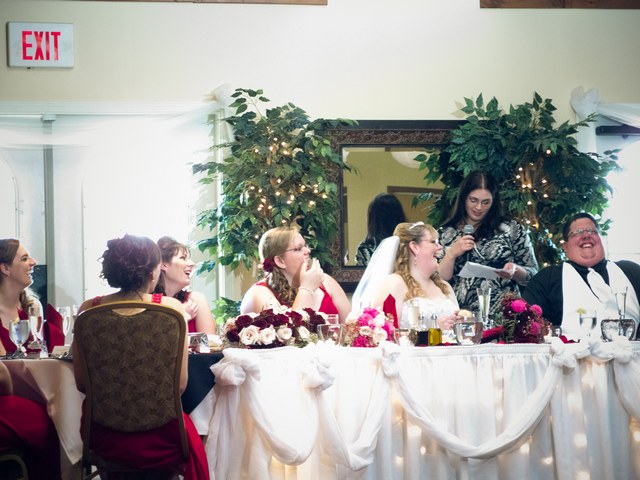
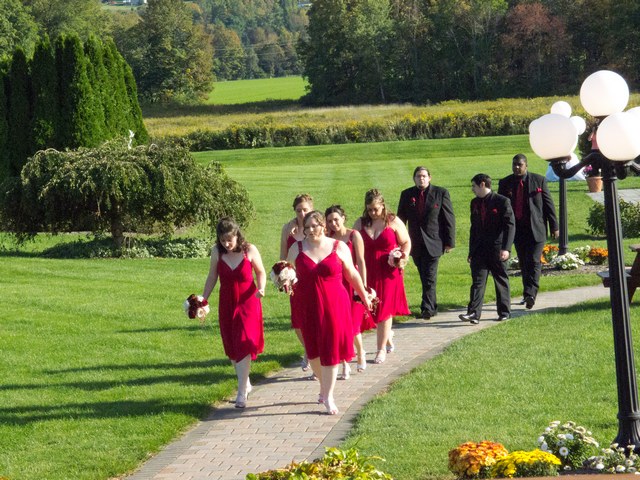
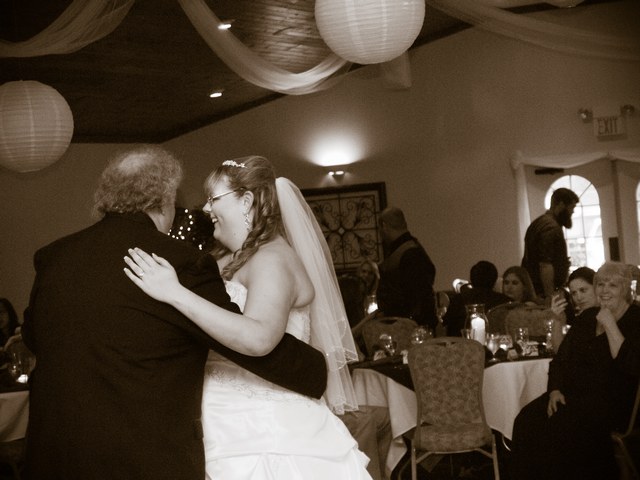
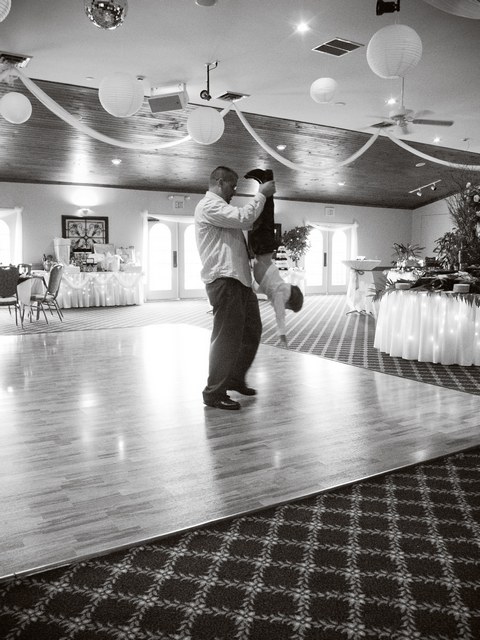
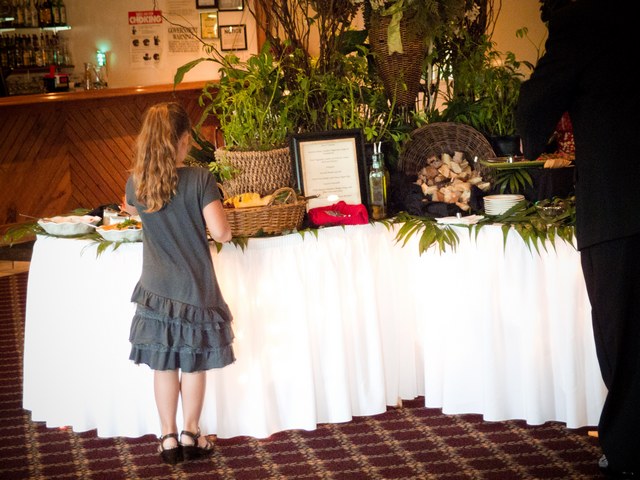
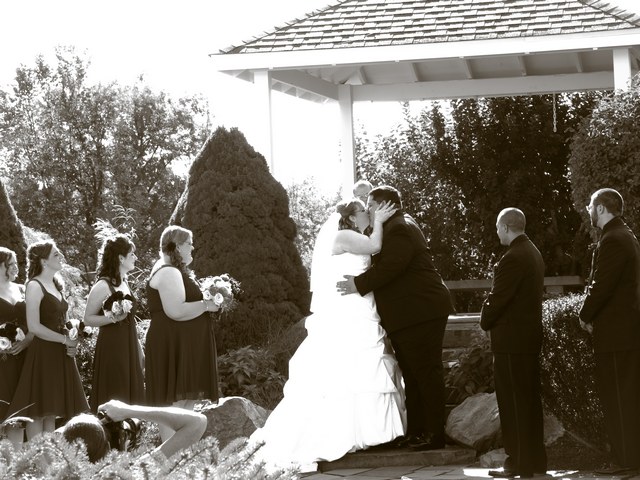
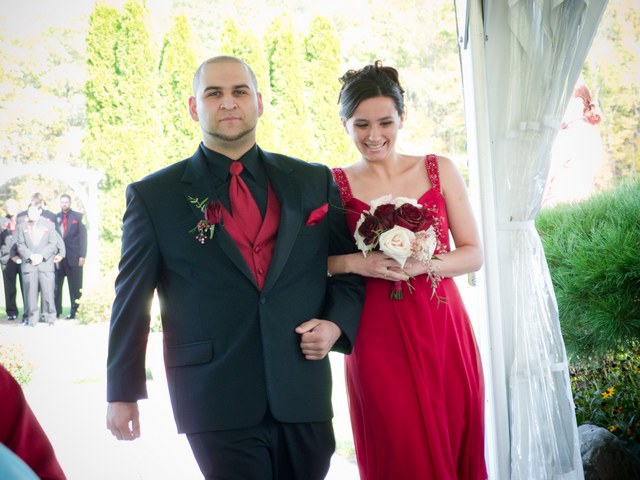
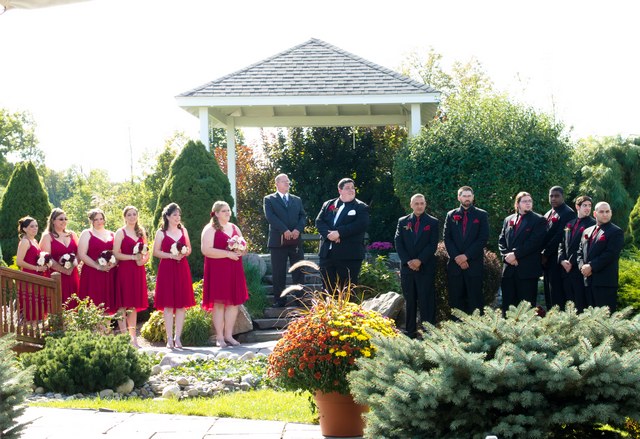
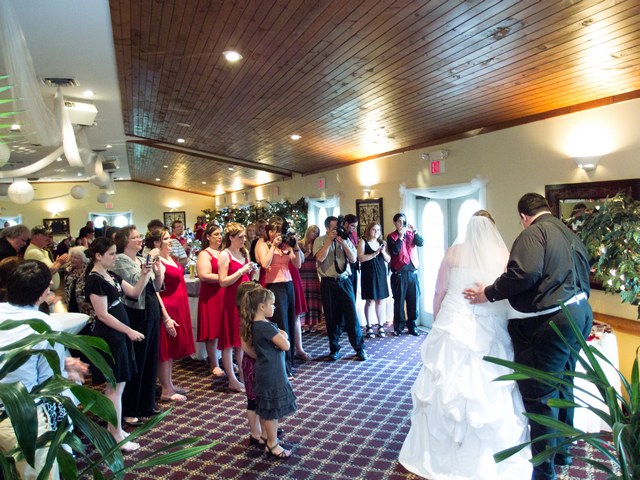
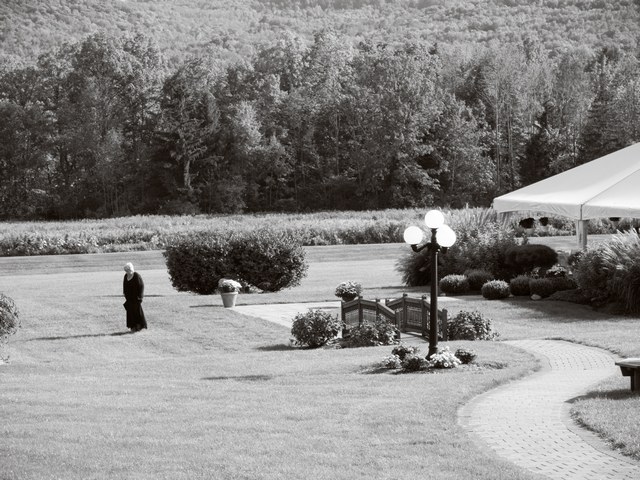
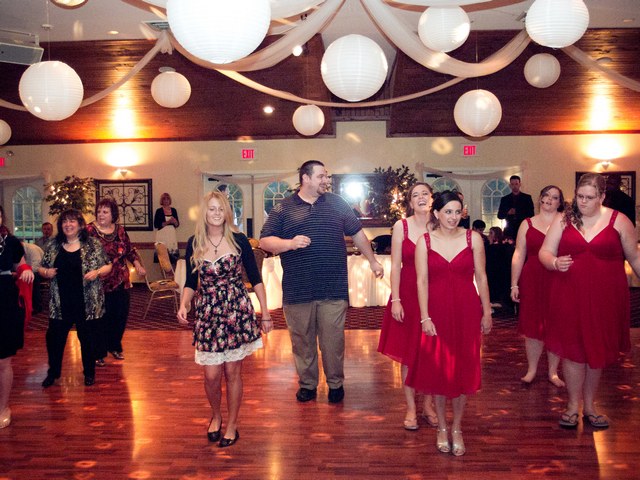
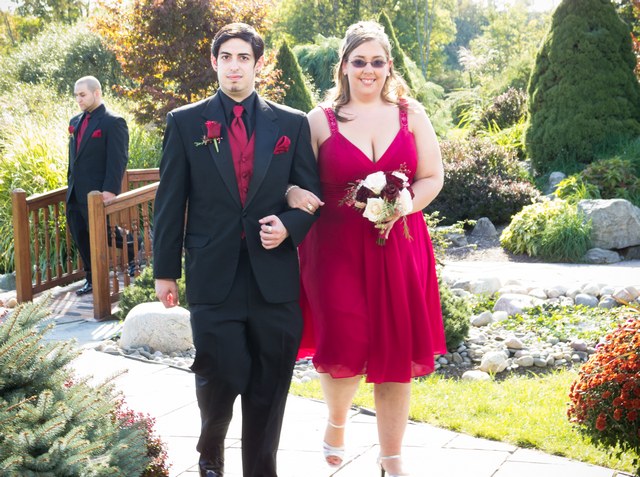
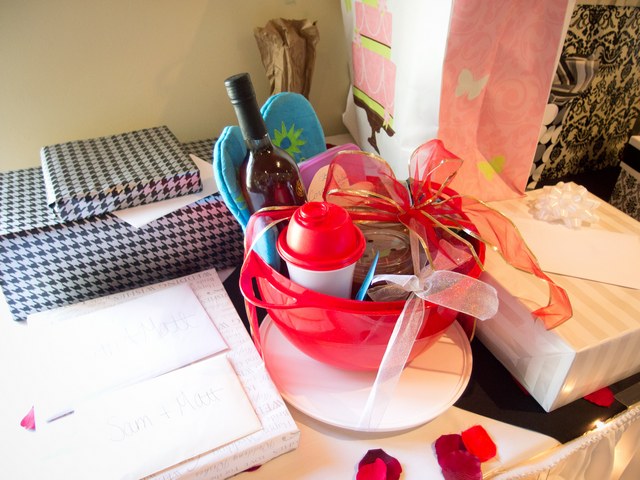
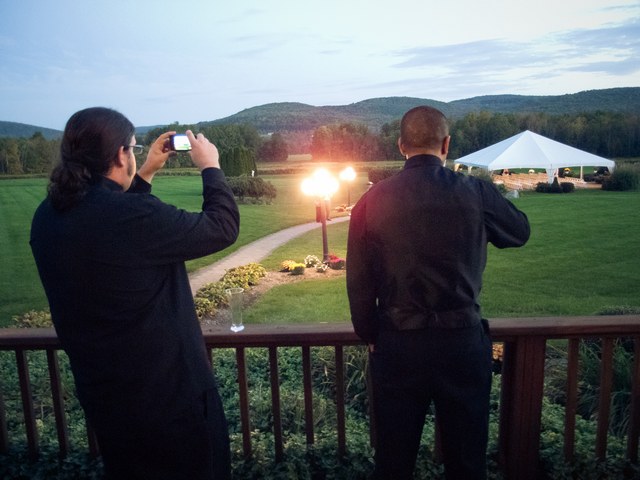
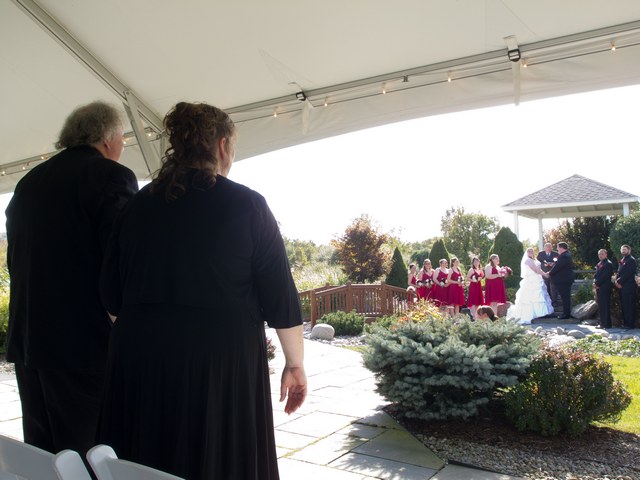
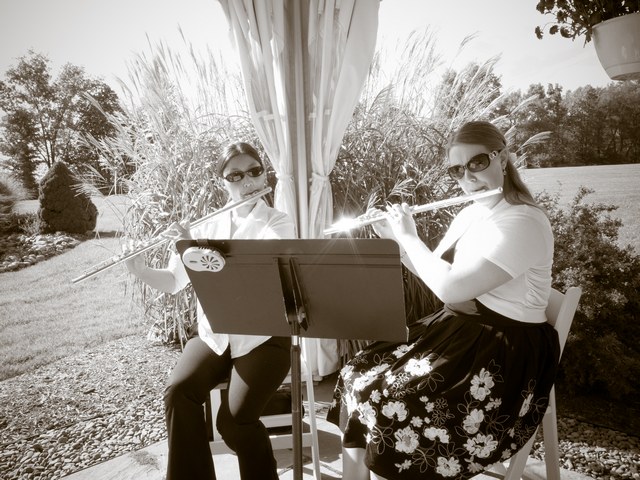
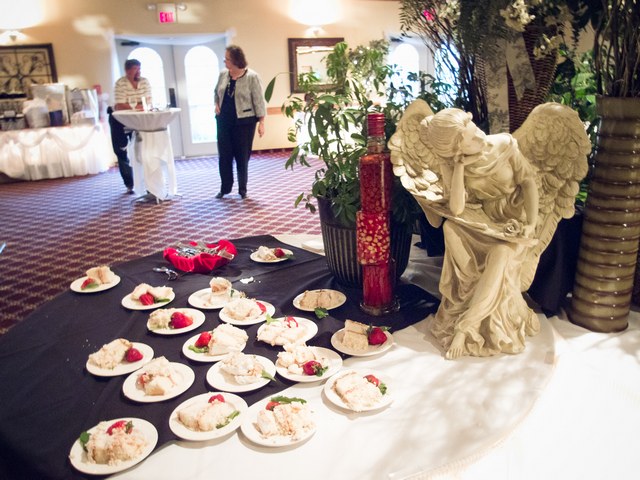
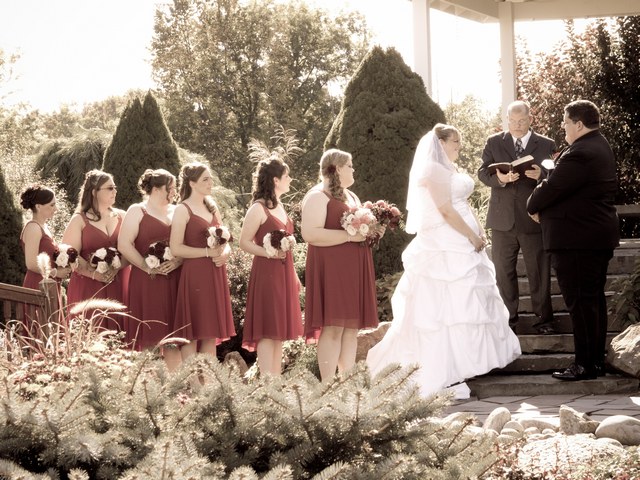
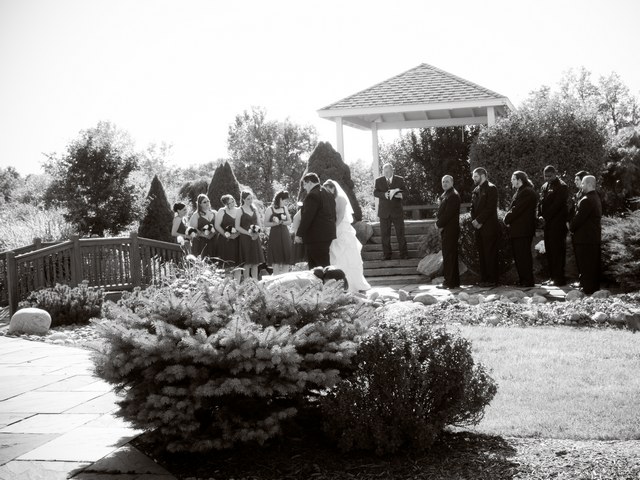
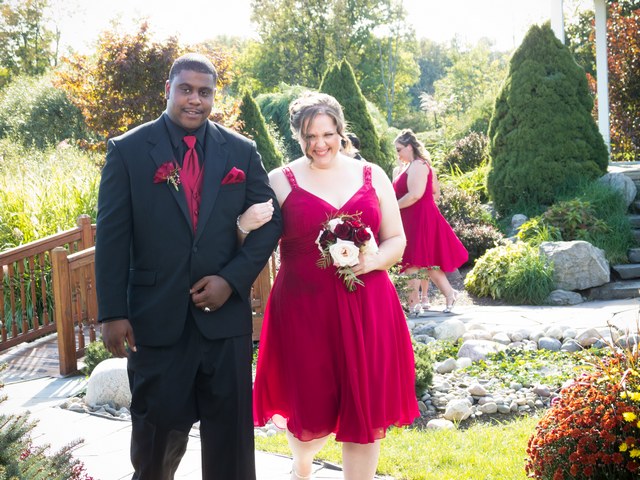
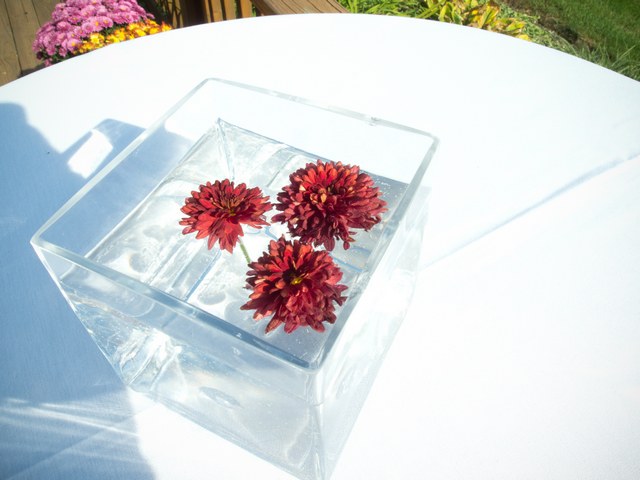
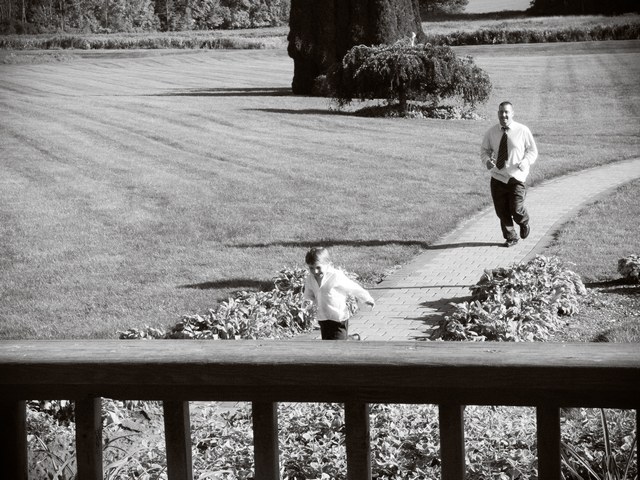
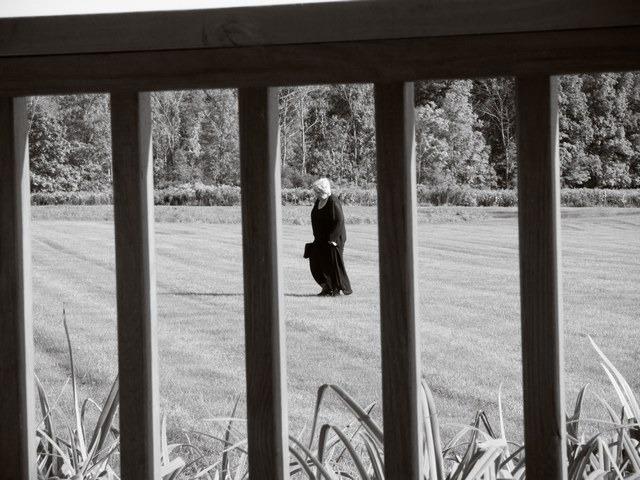
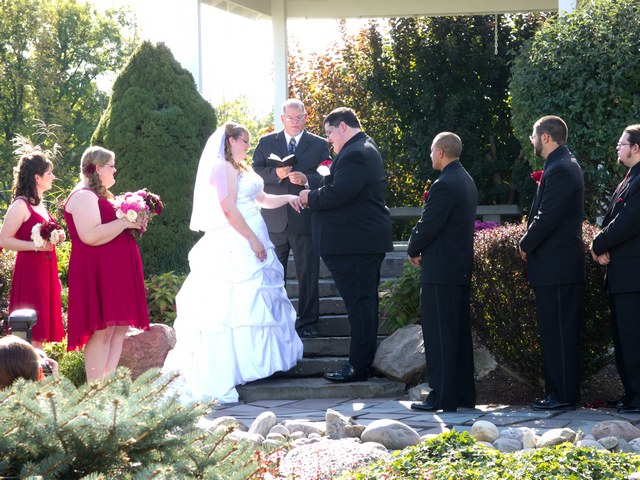
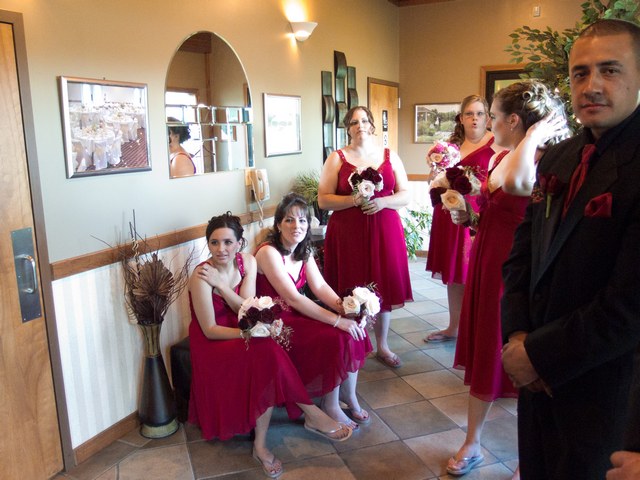
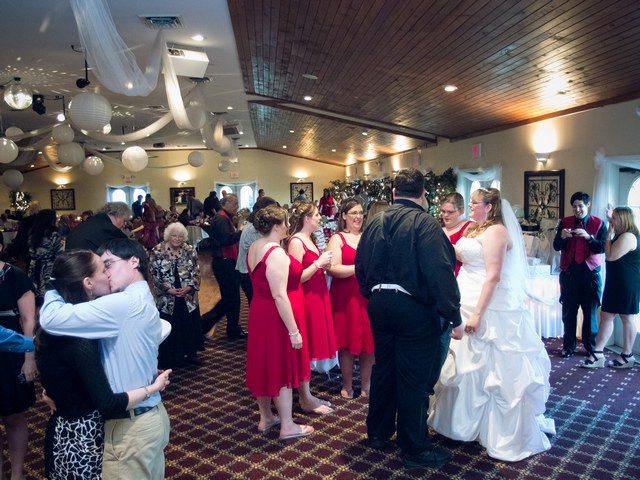
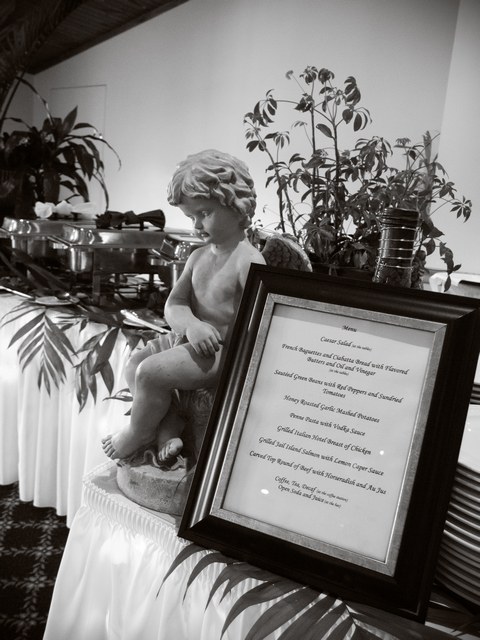
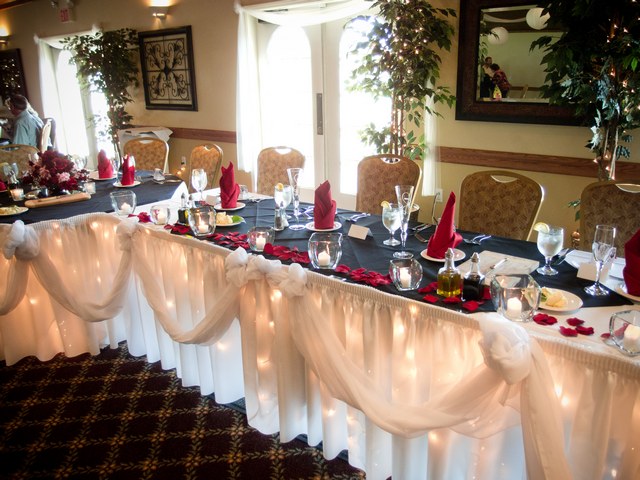
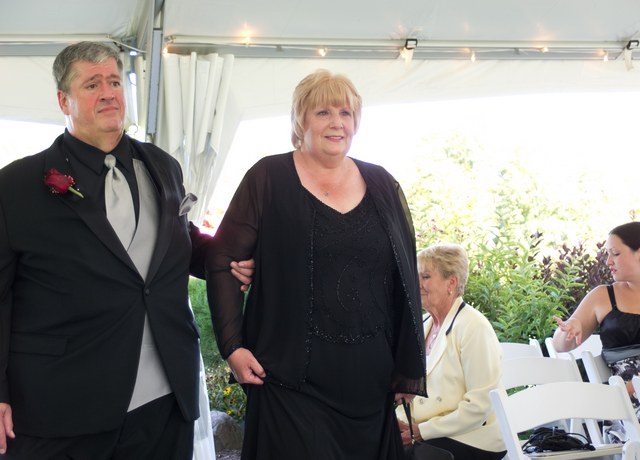
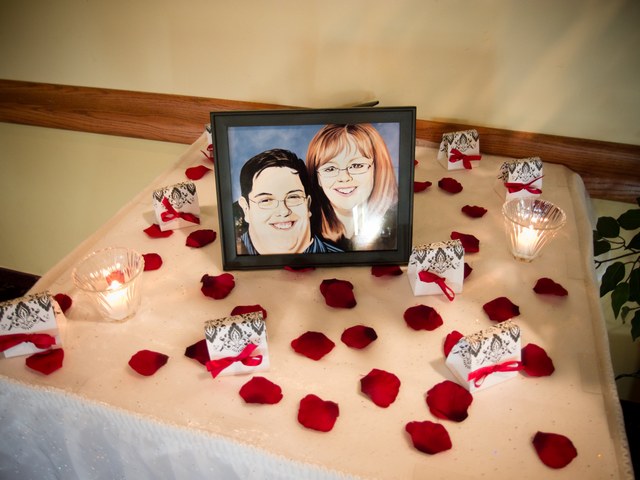
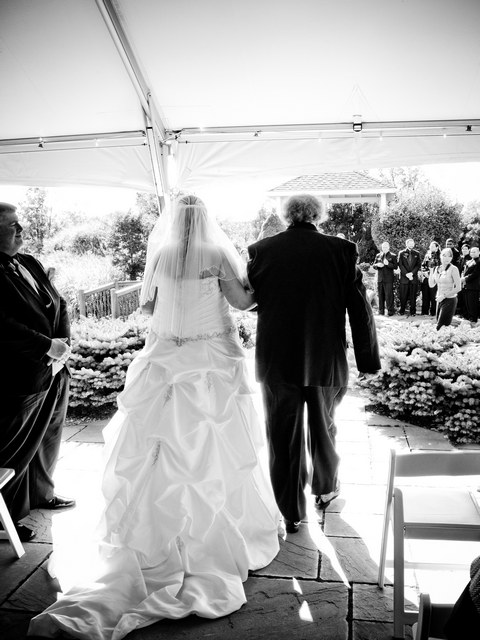
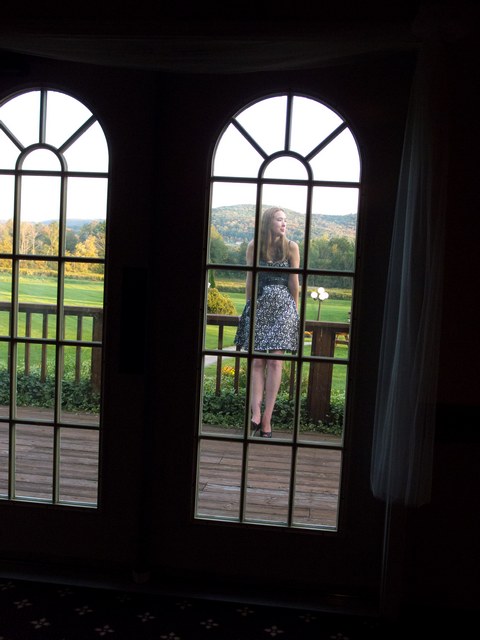
Below, you can see a bunch of the wedding images I took with my point-and-shoot at the wedding and decide for yourself how “successful” the experiment was..!

Point-and-Shoot Wedding

Point-and-Shoot Wedding

Point-and-Shoot Wedding

Point-and-Shoot Wedding

Point-and-Shoot Wedding

Point-and-Shoot Wedding

Point-and-Shoot Wedding

Point-and-Shoot Wedding

Point-and-Shoot Wedding

Point-and-Shoot Wedding

Point-and-Shoot Wedding

Point-and-Shoot Wedding

Point-and-Shoot Wedding

Point-and-Shoot Wedding

Point-and-Shoot Wedding

Point-and-Shoot Wedding

Point-and-Shoot Wedding

Point-and-Shoot Wedding

Point-and-Shoot Wedding

Point-and-Shoot Wedding

Point-and-Shoot Wedding

Point-and-Shoot Wedding

Point-and-Shoot Wedding

Point-and-Shoot Wedding

Point-and-Shoot Wedding


Visit Michael's Art Photography Portfolio at SaatchiArt.com!

Tyranny of Detail in Fine Art Photography

11 Monday Jul 2011

Posted by mgm in All, Commentary

≈ Comments Off on Tyranny of Detail in Fine Art Photography

Share

Today’s post is actually based on a short note I wrote to myself while doing a workout. Here’s what the note says:

A fine art photo should be interesting even without lots and lots of detail.

There are many fine art photos in the art world that were taken with large or medium format film cameras of sometimes banal subject matter that are really only interesting because of the details you can see when it’s printed or displayed very large. This has set up the expectation that fine art photos necessarily have to be taken with large or medium format film cameras or else they’re not truly “fine art” photography.

There has been some backlash to this trend with the iPhone photo exhibits and books that have come out (iPhones take small 3 megapixel and 5 megapixel digital photos). But I think this is a novelty and still not generally accepted in the fine art photography world.

My own position on this is that a photo should be interesting even without lots of excruciating detail or else it’s not really that interesting from an art standpoint. However, I concede that some level of fine detail may be necessary to accurately see and appreciate what makes a captured image interesting–e.g., the details of a facial expression, intricate plant life, or a some manufactured artifact. Sometimes, though, a blurred image with very little fine detail can be quite powerful and engaging.

The main point I’m making is that it’s not necessary that a photograph be taken with a large or medium format film camera to be a fine art photograph worthy of collecting or hanging on a wall. A powerful or engaging image speaks for itself and can be the object of fine art appreciation regardless of what type of camera (or other type of image recording device for that matter!) was used to capture it.

This isn’t a revolutionary idea in any way, but I think it needs to be said and reinforced from time to time because there are forces out there that keep trying to make fine art photography somewhat “exclusive” by pushing for the large film requirement in order for photos to be “legitimate” collectible fine art photography.


Visit Michael's Art Photography Portfolio at SaatchiArt.com!

Photographers: What We’re Selling

03 Monday May 2010

Posted by mgm in All, Commentary

≈ Comments Off on Photographers: What We’re Selling

Share

If almost anyone can afford a decent digital SLR camera + lens, what is it we/you’re selling as a person trying to make a living–or, at least, a partial income–from photography?

Well, one thing you’re not selling–at least not in an “exclusive” way–is the ability to generate photos or digital images; almost anyone can do this now. And even some of the lower-end digital SLR camera models can generate quite usable images for stock, weddings, and/or portraiture.

And since digital makes possible immediate and/or almost immediate review of images taken, even amateurs can be quite sure whether they’re getting good, properly exposed images or not. So, it’s more difficult to make the case that you need a professional photographer to make sure the camera equipment is producing images that look good from a technical standpoint. I’m pretty sure no one would want to hire a true novice in this regard, but the learning curve has certainly flattened out.

Now, being able to “operate” the equipment does not assure great photos, right? I don’t think anyone would argue with this. However, having equipment that is better than a compact/point-and-shoot digital camera can certainly help *anyone* make better photos….especially if they’re photographing moving targets or photographing in places with low light; it’s in these two areas that compact/point-and-shoot camera often come up short.

One area that I think still requires quite a bit of technical mastery to get right is the use of flash and external lighting for indoor–especially dark indoor–photography. Purely “natural light” practitioners will often run into difficulties at dark, nighttime and/or indoor receptions.  Having a professional for such events can make a significant difference in the quality of the photos.

Now, even though I’ve downplayed the importance of equipment, the more expensive professional equipment does make *some* difference in terms of image quality, focusing speed, and ability to take photos in lower light. This is especially true for indoor events. The more expensive equipment *will* yield a higher percentage of “keepers”, all other factors being equal.

Okay, now for the sake of argument, let’s say the event is purely outdoors and the difference in image quality and focusing speed between the consumer camera equipment and the professional equipment isn’t significantly noticeable to the client. What’s left?

It’s that “photographic eye” thing, right? That thing that tells the photographer what to take a photo of and what the client sees as the intangible “thing” that makes a photo good and/or pleasing, right?

Well, the trouble is that many budding photographers have–or claim to have, or maybe their friend or spouse claims they have it–that “photographic eye”. This is not exclusive to professional photographers. In fact, some professional photographers may have lost that “eye” because they’ve taken too many hundreds or thousands of photos and have become “desensitized image factories”!

Some of that “eye” thing may be related to the amount of enthusiasm the photographer still has for the art of photography. Beginners often have lots of this enthusiasm and it sometimes can make up for what they lack in photographic experience.

In actuality, professional photographers often go through fluctuations in enthusiasm; it’s usually not a static “have” or “not have” commodity. It comes and goes like it does with any long-term activity pursued by a human.

Really, I think it’s *not* the photographic eye, per se, that you’re paying the professional for; even a good amateur should have that. With a professional, what you’re paying for, is a well-established photographic vision. Whereas an amateur photographer is typically experimenting with different styles, viewpoints, post-processing, etcetera…a professional has found his or her strength and developed it to a high degree.

When you hire a professional photographer, the photos s/he delivers will be *very* similar to the sample portfolios and galleries s/he has shown you. There’s a consistency in vision that the photographer has carried out over and over. You, as the customer, know and can be sure of what you’ll get when you hire this photographer. This photographer has shown s/he will deliver consistently and what the end product will look like. If you, as the customer, like what you see, you can be quite sure you’ll get the results you want when you hire this photographer.

So, photographers, what are we selling? A well-established photographic vision.

Does this mean a professional photographer can’t experiment like an amateur can? No, I don’t think that’s the case. Even the professional’s “experimentations” will carry his or her signature vision or style. S/he can’t get away from this vision or style; it’s who s/he is as an established photographer…:-).


Visit Michael's Art Photography Portfolio at SaatchiArt.com!

Is Photography Over?

22 Thursday Apr 2010

Posted by mgm in All, Commentary

≈ Comments Off on Is Photography Over?

Share

San Francisco’s Museum of Modern Art is hosting a symposium in which 13 invited participants discuss the question: “Is Photography Over?”

Rather than fear such questions (which you might if you’re a photographer or interested in being a photographer), I think it’s good to embrace and explore them–i.e., I think it’s a healthy exercise. You can see the participants’ initial written responses to the question here.

A number of the commentators state that it depends on what is meant by “photography” and what is meant by “over”. Let me try…

Photography: “Using a camera to make art and/or to make money”
Over: “Photos no longer considered an art form or salable product

“Is Photography Over? Nah, just crippled and metamorphosing, I think.


Visit Michael's Art Photography Portfolio at SaatchiArt.com!

Fashion Show Photography: Even more lessons learned

19 Monday Apr 2010

Posted by mgm in All, Commentary, Fashion/Glamour, MGM's Photos

≈ 1 Comment

Tags

fashion, glamor, photography

Share
2010 Fashion Show Photo

70-200 f/2.8 lens, f/2.8, 500 ISO, 1/400 sec

So I shot my annual fashion show…the one I’ve been doing the past 5 years. It’s always in early Spring, so I tend to use it as a warm-up for wedding and portrait season, and also to test new equipment. I titled this post “Even *more* lessons learned” because I’ve blogged about fashion photography lessons learned in a previous post.

Honestly, my favorite part is capturing back stage candids (my *next* blog post will feature my back stage photos and lessons, so stay tuned…). Photographing the show is mostly a matter of workin’ the equipment: bam, bam, bam! Sure, this machine-like gun operation of my camera and lenses is a relatively good way to see what the equipment can and cannot do, but it’s not particularly creative. That said, I do tend to look for something other than the straight on, one model filling the frame types of shots; it makes it more interesting for me.

Anyway, this year I decided to shoot the whole show (well, OK, I was only there until the first intermission) with one lens and one camera. In previous years, I’ve shot with two cameras, one connected to a 24-70 zoom lens and the other to a 70-200 zoom lens, and stood about 8 feet away from the end of the runway (i.e., quite near it) with 20 other photographers.

My plan this year was to stand further back on a small step ladder with my 70-200 f/2.8 IS lens attached to my new Canon 1D Mark IV that I wanted to test out. I placed the ladder adjacent to the corner of the stage where in years past, the models came for their final poses before returning back up the runway.

2010 Fashion Show Photo

70-200 f/2.8 lens, f/2.8, 500 ISO, 1/400 sec

Unfortunately, the show organizers decided to switch things up; they decided to have models end up at the “other” corner of the stage before returning back up the runway. I, of course, didn’t realize this until the show started and I saw what was happening.

So, lesson learned: talk to fashion show organizers each year about the planned “traffic pattern” on the catwalk because it may not stay the same from year to year. It’s not always easy to find a fashion show representative who actually knows this sort of information; but it’s worth the effort. Also, if you see a designated show videographer in some optimal, cushy location near the stage or on an elevated platform, you can be pretty sure *he’ll* know!

2010 Fashion Show Photo

70-200 f/2.8 lens, f/2.8, 1600 ISO, 1/400 sec

Anyway, I didn’t want to stay at the transition corner; I wanted to be at the final posing corner. So I moved my step ladder in the aisle toward the other stage corner. Well, wouldn’t you know that someone in the audience was pretty darned annoyed at where I was standing on my ladder and told me so.

Because I didn’t really want to be yet another annoying photographer getting in everyone’s way, I crouched down the rest of the show (well, the rest of the first half of the show) and took many photos of the models on the stage with audience heads creeping up ever-so-slightly into the bottom part of the photos, sometimes obscuring the model’s feet. This wasn’t optimal, obviously, but some of the designers and models still bought my photos; so it wasn’t a total wash.

2010 Fashion Show Photo

70-200 f/2.8 lens, f/3.2, 2000 ISO, 1/400 sec

What worked and what would I do differently next time?

First, I still like standing back further from the stage–than the other 20-30 photographers taking close-ups of the models right *at* the stage–and using one camera and one long telephoto lens (for me, the 70-200 f/2.8 IS). This allows me to more easily get photos of the models almost anywhere on the stage and they don’t all of to be close-ups. I noticed one photographer was sharing the stand the videographer was on, which was in a perfect location of my one telephoto lens strategy. I’ll have to do some sucking up to the videographer next year…:p.

Compared to last year, instead of shooting in manual exposure mode with a fixed ISO, I shot using auto ISO. The lighting on the runway is quite uneven; so a fixed manual exposure doesn’t work too well, unless you’re only taking photos at the end of the runway. Even then, there are differences depending on where the model is standing. I’ve noticed when I’m shooting with a longer lens, the camera does a better job with exposure because no one part of the scene–which may be quite a bit darker or lighter than the rest of the scene (this commonly happens when the model is wearing white or black clothing or has particularly pale or dark skin)–dominates the frame as it does when you’re close up.

2010 Fashion Show Photo

70-200 f/2.8 lens, f/2.8, 1600 ISO, 1/400 sec

I should explain a little more about my camera setting: I was using a Canon 1D Mark IV, which allows you to put the camera in manual mode, but with the ISO set to Auto. The great thing about this is that you can put the aperture and shutter speed at some fixed settings (e.g., f/3.2 and 1/400 sec) and let the camera adjust exposure by raising or lowering the ISO. In effect, it’s like you’re able to shoot in both aperture priority and shutter priority simultaneously. I found that keeping the aperture relatively large (f/2.8 – f/3.5,  mostly to keep the ISO from going too high) and the shutter speed relatively high (1/200-1/400 sec, especially when photographing the models *while* they moved down the runway) worked out quite well.

2010 Fashion Show Photo

70-200 f/2.8 lens, f/3.2, 640 ISO, 1/400 sec

If I didn’t have a camera that does auto ISO in manual mode, I’d probably shoot in aperture priority mode and keep the shutter near it’s max…again, if I’m using a relatively long/telephoto lens.

That’s it for now. My next blog post (within the next week) will feature my back stage photos and lessons. In the meantime, I’ll finish this post with a few more shots of the show (click on the thumbnails to see them larger).


Visit Michael's Art Photography Portfolio at SaatchiArt.com!

Making Auto ISO Actually Useful

25 Thursday Mar 2010

Posted by mgm in All, Commentary

≈ 4 Comments

Share

I thought Auto ISO was going to be a great feature…until I started using it!

I borrowed a Canon 5D Mark II from Canon Professional Services a few times and wanted to try out the auto ISO feature, which covers 100-3200 ISO. I mean, how many times have I suddenly gone from a low-light situation to a bright-light situation while photographing (e.g., a bridal couple coming out from inside a dark church to the bright sunshine outdoors) and forgot or didn’t have a chance to change the ISO from 1600 or 3200 to 200 or 100?

I normally shoot in either aperture priority or manual exposure mode. It turns out that the 5D Mark II defaults to 400 ISO in manual mode (i.e., it doesn’t really do anything in manual mode). In aperture priority, it will look for a shutter speed + ISO combination that gives the “proper” exposure given the aperture you’ve selected. This would be OK if the camera didn’t “think” that a shutter speed as low as 1/20 or 1/15 sec was acceptable in low light, or that a high ISO of 800 or 1600 in conjunction with an unnecessarily high shutter speed of 1/4000 or 1/8000 sec was just peachy when you’ve moved outdoors into plenty of daylight.

The problem is that you can’t set a minimum or maximum shutter speed on the 5D Mark II, so you can’t prevent it from deciding to use unacceptably slow shutter speeds or unnecessarily high ISOs.

With the Canon 1D Mark IV, not only *can* you set minimum and maximum shutter speeds, but auto ISO still works in manual exposure mode! When I discovered this (auto ISO in manual mode), I thought I would never have a reason to use aperture priority with the 1D. Heck, you can decide your ideal aperture and shutter speed, and then let the camera choose the lowest ISO that still yields a proper exposure….like having simultaneous aperture and shutter speed priority with auto exposure!

It turns out there’s one little “fly in the ointment” with auto ISO in manual mode on the 1D: you can’t use the “*” button to fix exposure and recompose the shot like you can in aperture or shutter priority. I would think this is something Canon could change with a simple firmware update (Canon, are you listening?).

There’s another potential problem with using auto ISO in manual mode on the 1D that I’ll mention a little later in this post; but the purpose of this post is to discuss making auto ISO useful, regardless of which camera you own. So, back to the question…

How do you make auto ISO actually useful?

It depends on your camera. Here’s a short decision tree I’ve devised:

A) If you have a camera that allows the setting of minimum and maximum shutter speeds and you plan to shoot in something other than shutter priority mode, set these min and max shutter speeds accordingly to keep the camera from selecting too low shutter speeds or too high ISOs when set for auto ISO. I find that the 1D actually tends to seek a low ISO if possible, so I set the min possible shutter speed to something like 1/60 sec and don’t worry about the max shutter speed. A little testing with your own camera should allow you to figure out the best settings for it.

B) If you can’t set minimum or maximum shutter speeds, you may be better off using shutter priority (versus aperture priority, program, full auto, or what have you). If you’re controlling the shutter speed, you can make sure it’s fast enough to keep your dark indoor images from being blurred due to camera shake or movement of your subject. Also, you can make sure it’s not so fast that it forces the camera to choose higher than necessary ISOs when there’s plenty of light (e.g., outdoors on a bright day). You have to be somewhat careful to change it from slower speeds to higher speeds when you step outdoors into bright conditions from a dark indoor situation. If your lens is able to constrict to small apertures–like f/16, f/22 or even smaller–you should be fine if you forget initially. If you don’t want the aperture to be so small (e.g., because you don’t want the depth of field to be large), make sure to increase the shutter speed in the new brighter scene as soon as you can.

The main reason to use auto ISO is to have your camera automatically use the lowest ISO possible given the prevailing light level so that image noise is kept to a minimum. Each camera comes with its own algorithm that decides what combination of aperture size, shutter speed, and ISO to use for any particular shot. If you shoot in full auto mode, the camera chooses some combination of all three parameters to get a good exposure. If you shoot aperture priority with auto ISO, you’ve taken away aperture size as a parameter and the camera will vary only shutter speed and ISO to get the correct exposure. If you shoot shutter priority with auto ISO, you’ve taken away shutter speed as a parameter and the camera will vary only aperture size and ISO to get the correct exposure.

What’s at issue here is what the camera decides to do with the 2-3 parameters it’s varying. In automatic mode, your camera is varying all 3 parameters and you’ve got little control over its decisions. Being able to specify a minimum and/or maximum shutter speed can give you *some* control, but not many cameras include this ability.

If you fix the aperture size (via aperture priority) at, say, f/4, the camera could decide to drop the ISO down to 100 and the shutter speed to 1/15 sec to get a proper exposure. It’s difficult to get a non-blurry image at 1/15 sec, especially if the subject is a person or animal which seldom stay perfectly still.

If you fix the shutter speed (via shutter priority) at, say, 1/125 sec, the camera could decide to set the aperture to f/8 and raise the ISO to 3200, even though the lens is capable of an aperture of f/2.8 or larger; this larger aperture could bring the ISO down to 400 or lower, which most photographers I know would prefer.

Unfortunately, most cameras don’t let you tweak their internal algorithms so that it makes its decisions directly in line with your preferences.

The reason I got excited about the 1D Mark IV’s ability to shoot auto ISO in manual mode is that you can fix *both* the aperture size and the shutter speed, and only allow the ISO to vary to obtain the correct exposure. I found two problems with it however. First, there’s the problem I mentioned where you can’t press the “*” button, which fixes the exposure, and then recompose the shot (something that Canon may be able to change in the firmware). The other potential problem is if it’s very bright outside, the camera may not be able to find a ISO low enough to get a proper exposure with your selected aperture + shutter settings, leading to a potentially badly over-exposed image.

Ultimately, the best way to make auto ISO work for you is test it with your own camera in different modes with different settings and see which combination gets closest to the way you want your camera to operate. You may find a combination that gets agreeably close to your preferences. Or you may–as many have–simply give up on auto ISO altogether!

If auto ISO is important to you, it would be best to test various cameras first–perhaps using some of the tips I’ve mentioned in this post–before you actually make your camera purchase.


Visit Michael's Art Photography Portfolio at SaatchiArt.com!

Ready for Anything: Wedding, Event, and Portrait Photography

15 Monday Mar 2010

Posted by mgm in All, Commentary

≈ Comments Off on Ready for Anything: Wedding, Event, and Portrait Photography

Share

When I’m photographing a wedding, I’m using the equipment I own that gives me the best quality images–e.g., my Canon 1-series DSLR + an “L” zoom lens or my prime lenses. Same with my portrait sessions. (Clients like to see that you are using expensive camera equipment when they’re paying hundreds or thousands of dollars for your services; it probably shouldn’t be that way; but, believe me, it truly makes a difference to some clients.)

But prime lenses and the best quality zoom lenses cover limited focal lengths; there’s always a trade-off between optical image quality and the range of focal lengths a zoom lens covers. Normally a prime lens–which only covers one fixed focal length–provides the epitome of image quality but the least flexibility in terms of focal length range. And professional quality zoom lenses–like the 24-70 f/2.8 and 70-200 f/2.8 IS–extend focal length flexibility with a slight, but usually acceptable, drop in image quality. However, any one of these high-quality professional zoom lenses necessarily leave out a large part of the focal length range photographers commonly like to cover–e.g., 24-300mm.

Whenever I am covering a wedding (or other event) or photographing a portrait session, fleeting moments appear in front of me that I may not be able to capture well with the focal length or lengths available to me with the lens currently on my camera, and there often isn’t time to change my lens before the moment has passed. Also, there is occasionally a need for some flash lighting that may or may not be available on my camera at that moment.

So, what do you do to insure that you are “ready for anything”?

First, I try to use a lens on my primary DSLR that can capture 80% or more of the types of images I’m trying to capture during any particular stretch of the session or event. A prime lens may suit this purpose (e.g., a large max aperture prime lens when low lighting is an issue), or a high-quality professional zoom lens might be the way to go.

What about those other 20% (or so) unexpected shots? I like to have a relatively small DSLR with a prime or zoom lens (the lens should be relatively small & light as well) on my hip, and this lens should cover a portion of the 24-300mm range not being covered by the lens on my primary camera.

Now, I’ve photographed many weddings and portrait sessions with two large DSLRs hanging on me (e.g., a 1-series and a 5D with grip) and trying to capture roughly equal numbers of photos with each camera. It’s a pain in the butt in many ways. Two large cameras weigh a lot and they can get tangled up–even when you start using some of these innovations now available to get one or both of the cameras off of your neck (I’ve experimented with some of them); also it’s amazing how easy the camera you’re not currently using can get bumped and the settings messed up such that its not available for that quick shot! The standard configuration here is having two cameras (with the same or similar crop factor), one with a 24-70mm lens and the other with a 70-200mm lens.

I have found that relying on one main camera + lens for 80% or more of your shots (during any particular stretch of an event or session) truly simplifies things and makes it easier to focus and enjoy doing the photography: less weight, less time switching back-and-forth between cameras. And if the second camera is one of the smaller, less expensive DSLRs, they come with a built-in flash just in case you need it; this is *much* more portable than having one of the professional DSLRs that require an attached flash unit.

I just photographed a fashion show this past weekend. My primary camera + lens was a Canon 1D with a 70-200 f/2.8 lens, which covered more than 90% of the shots I wanted to get. However, at my side I had my good old Canon 20D with a 28mm f/1.8  lens to grab any wide angle shots that might appear before me on short notice. This combination worked great!

The actual combination of lenses you’ll want to use will depend on the event, and may even change during the course of a particular event–e.g., for a wedding, I normally use different lenses for the “getting ready” photos than I use for the ceremony photos. For outdoor portrait sessions, I’m finding that a 24-105 lens on a 1.3 crop factor Canon 1-series DSLR works well for more than 80% of the photos; match that with a telephoto zoom on a small DSLR (e.g., 100-300 mm) and you’ll also be able to zoom in for some close-up shots from a comfortable (for both you and the subject) distance.

So, if you photograph event and/or portrait sessions and you don’t want to buy or carry around two large and expensive DSLR cameras–or spend the time and experience the hassle of regularly switching back-and-forth between them–then consider buying and using one expensive “primary” camera and lens. Supplement it with a cheaper and smaller camera + lens “safety net” at your hip that can fill in all or part of the critical focal range you’ve necessarily had to leave out to maintain the single, high-quality camera and lens configuration, and you’ll be “ready for anything”…:-).


Visit Michael's Art Photography Portfolio at SaatchiArt.com!

← Older posts
Newer posts →

MGM’s Twitter Feed

Subscribe to this blog!

 Subscribe via your own reader

Hosted by:

Recent Posts

  • My Latest Photos and Tweets
  • Fall Fashion (Oct 2019) by Michael Grace-Martin
  • Smithsonian Center for American Art, Washington DC (July 2016)
  • The Great New York State Fair, Syracuse, NY (Sept 2016)
  • 2016 Ithaca Festival Parade
Easy way to support this site: Buy Toilet Paper!

Proudly powered by WordPress Theme: Chateau by Ignacio Ricci.